Fishing Gear Recovery
Commercial fishing for lobster, finfish and shellfish is a critical economic driver for coastal communities around the world, including Cape Cod Bay; and in the 21st century virtually all commercial fishing gear is made of plastic.
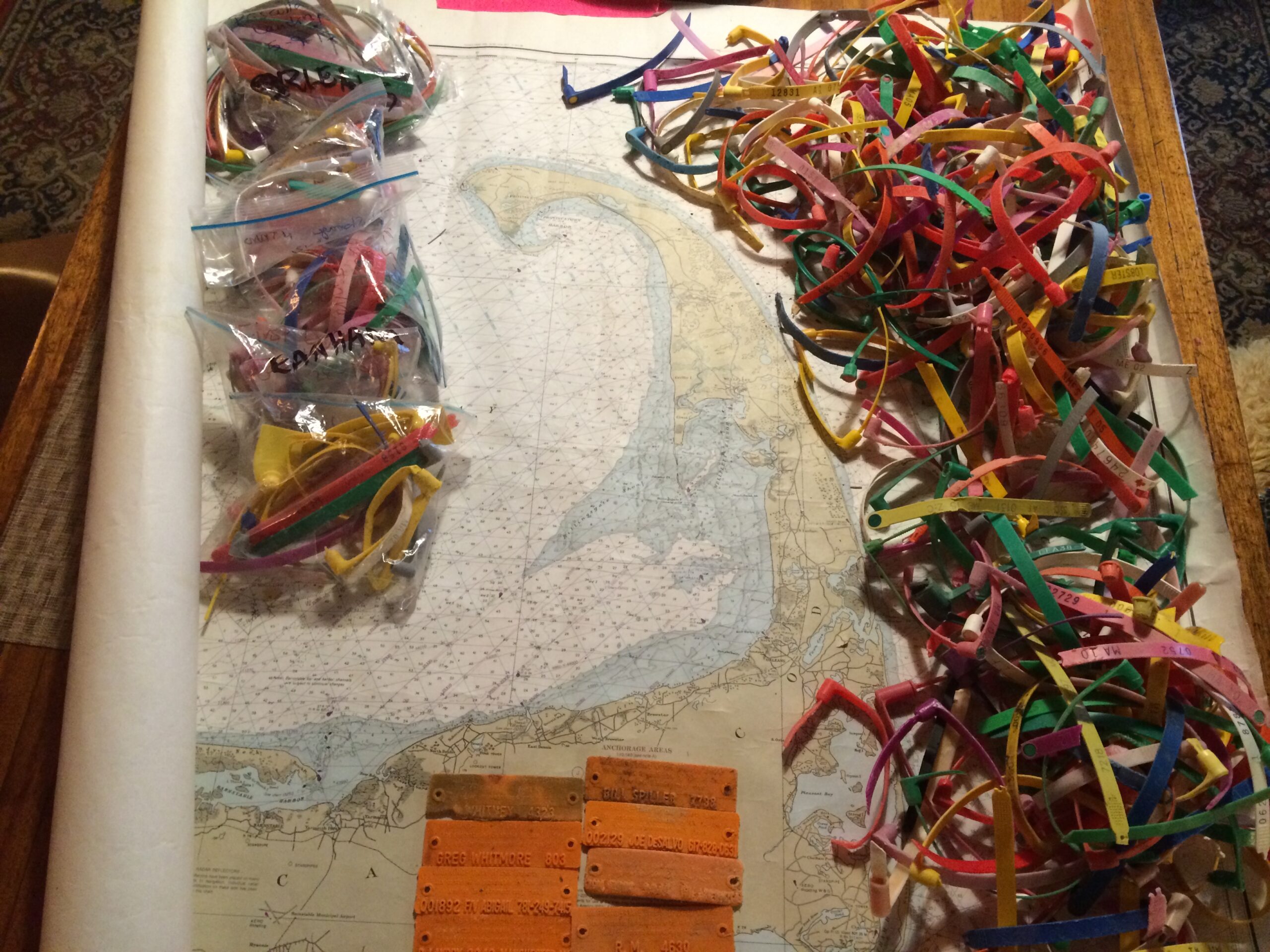
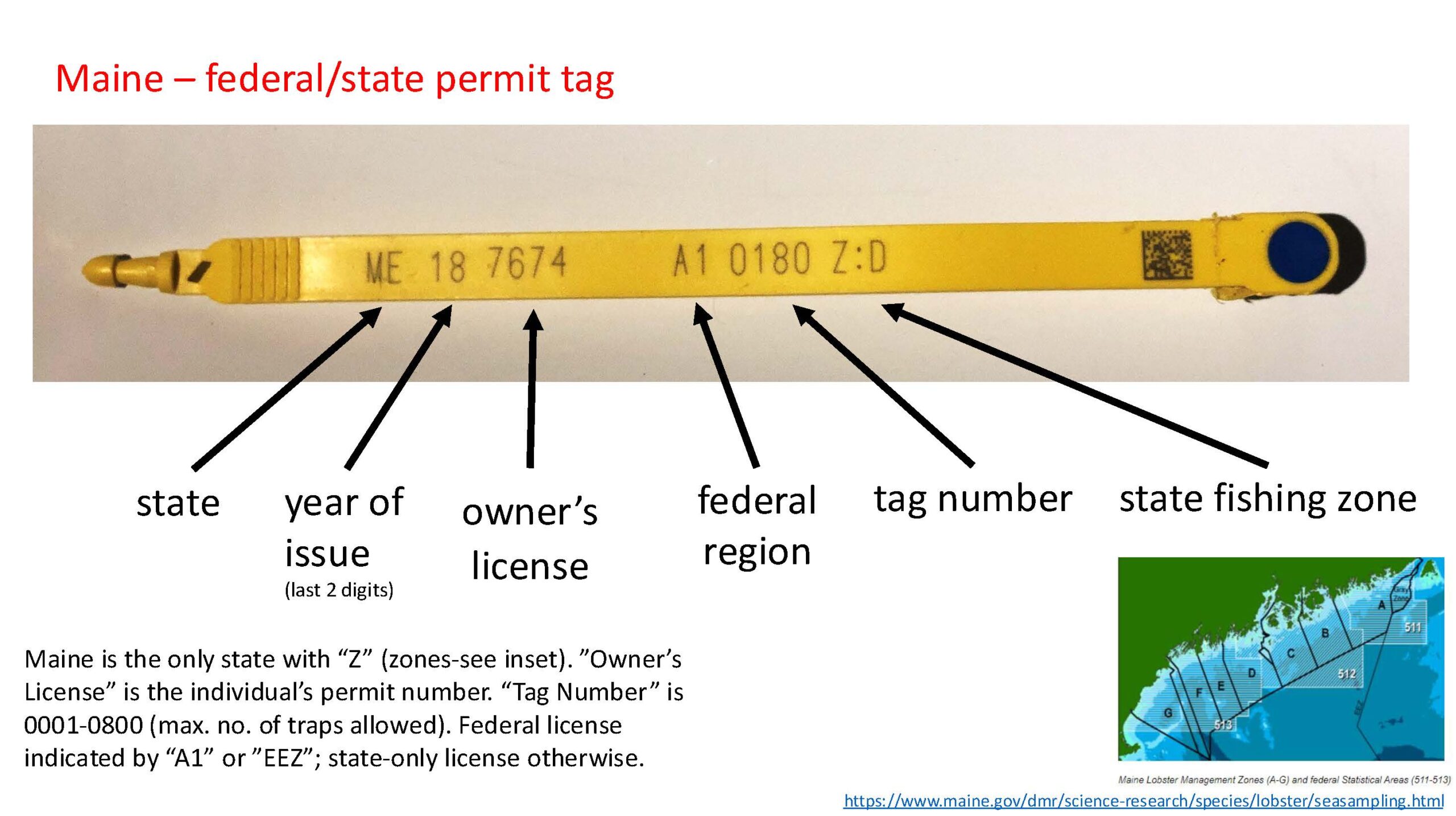
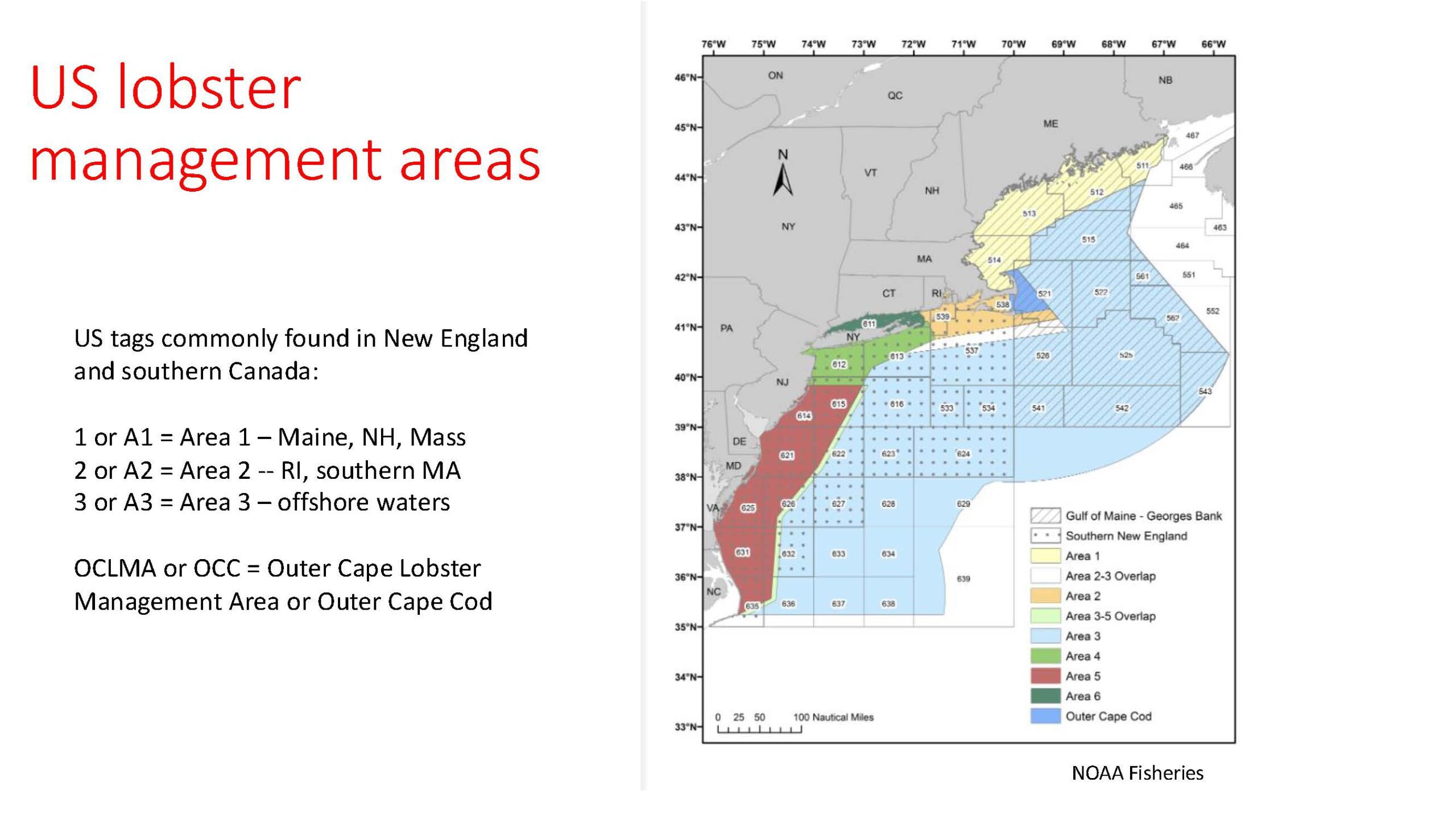
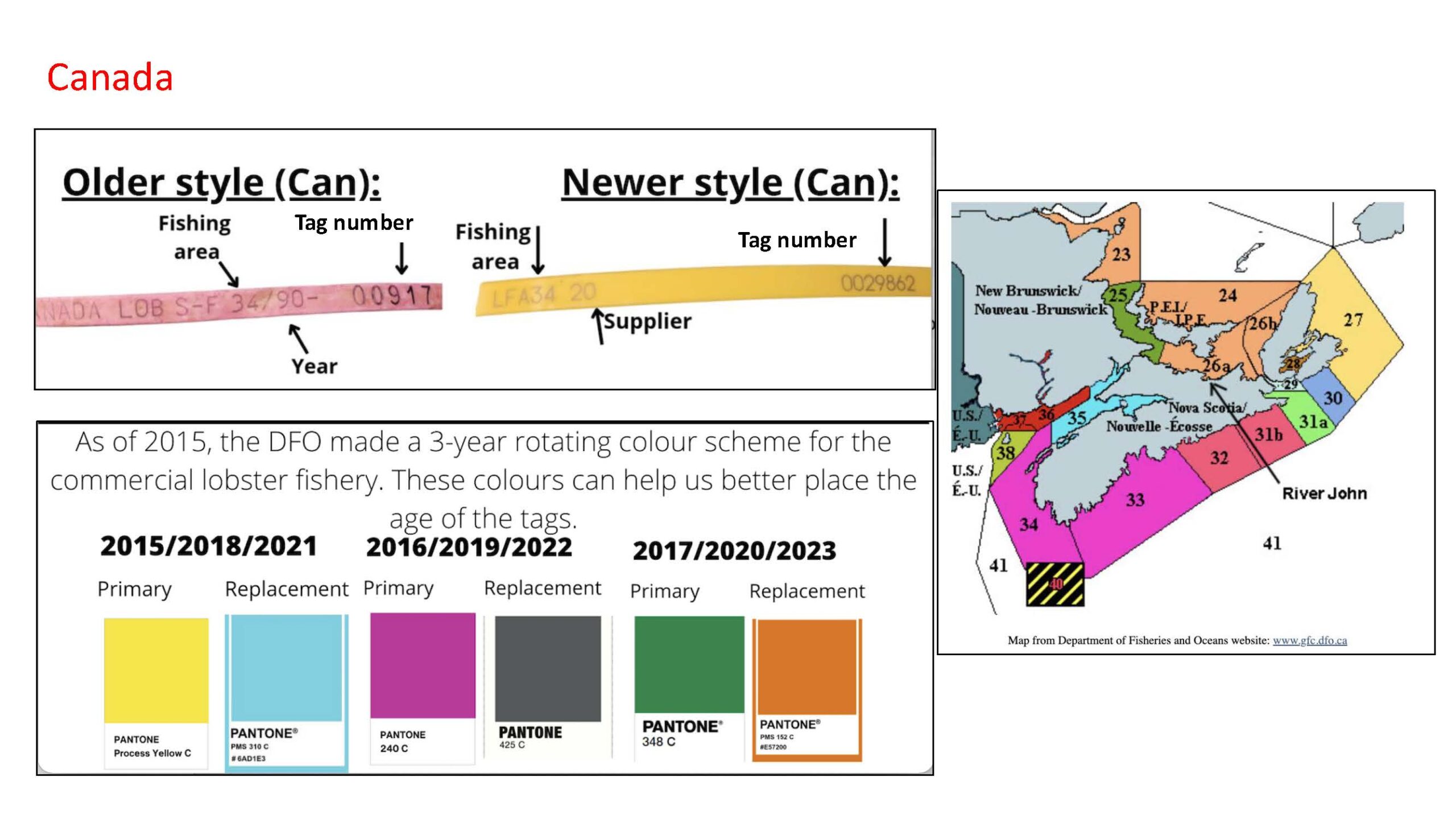
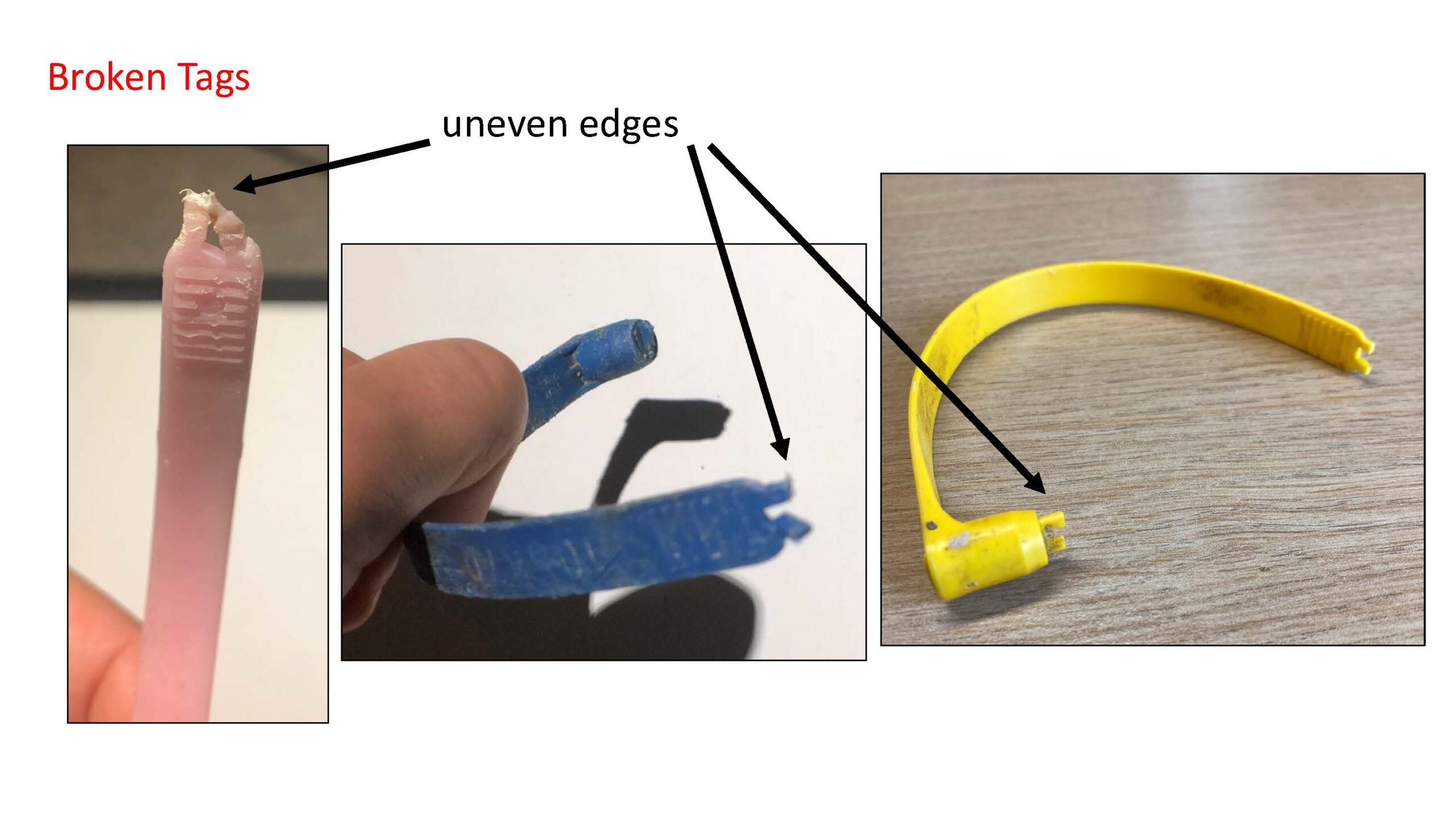
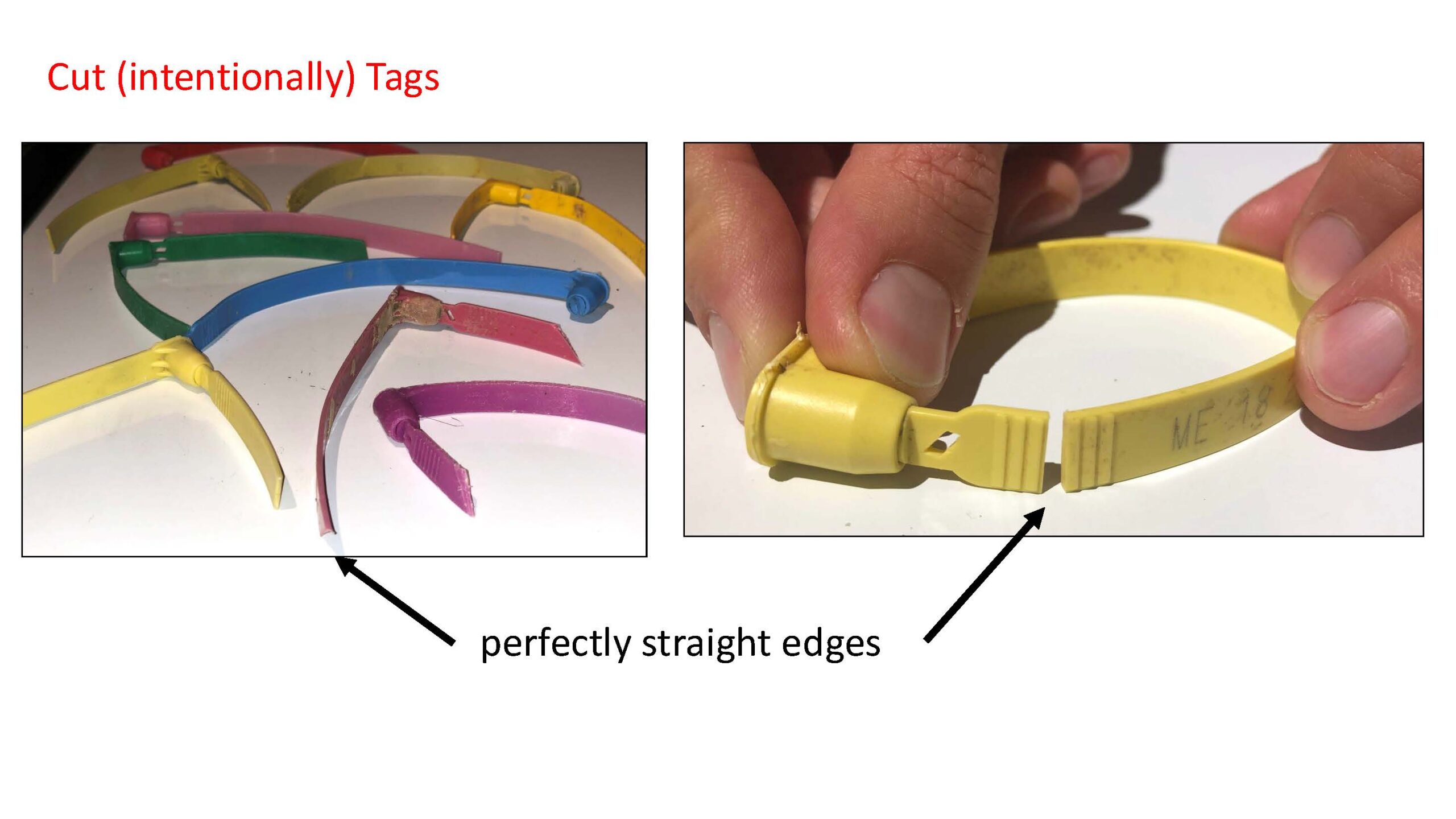
Every lobster trap fished in New England and Canada must carry a unique identification tag to be considered legal. With a new color each year, the tags indicate the state, year, and area where the gear is allowed to be fished. The tags are typically made from either high density polypropylene or polyethylene and are often found loose on the beaches and shorelines. CCS maintains a database of lost lobster trap ID tags — if you find any on your next outing, consider sharing the data with us by filling out this Anecdata form. A guide to interpreting trap tags is below.
In our region, lobstering is one of the largest fisheries in terms of numbers of participants (1,150 commercial and 10,000+ recreational), gear deployed (hundreds of thousands of pots) and pounds landed (16.5 million pounds in 2015).
Other important fisheries in Cape Cod Bay include aquaculture/mariculture, gillnetting, groundfishing and shellfishing.
Lobstermen use polystyrene or polyurethane buoys, polyester, polypropylene or a co-polymer rope, and hundreds of thousands of PVC-coated wire traps to harvest their catch. Other plastic components important to the fisheries are ID tags, escape vents, cages, zip ties, and bait bags. All of these items can be inadvertently lost during the course of fishing, and all persist in the marine environment unless recovered and disposed of.
It is estimated that between 5-15% of lobster gear is lost each year to storm action, propellers, or interactions with mobile fishing gear. Certain regulations may also contribute to loss of gear in some areas, or to the degradation of gear such that it requires frequent replacement.
The Center for Coastal Studies has been collaborating with fishermen from Cape Cod and throughout New England to address the problem of lost, abandoned, and derelict fishing gear in the marine environment. Our data about recovered ghost gear played an important role in the development of updated regulations regarding fishing gear debris in the Commonwealth of Massachusetts.